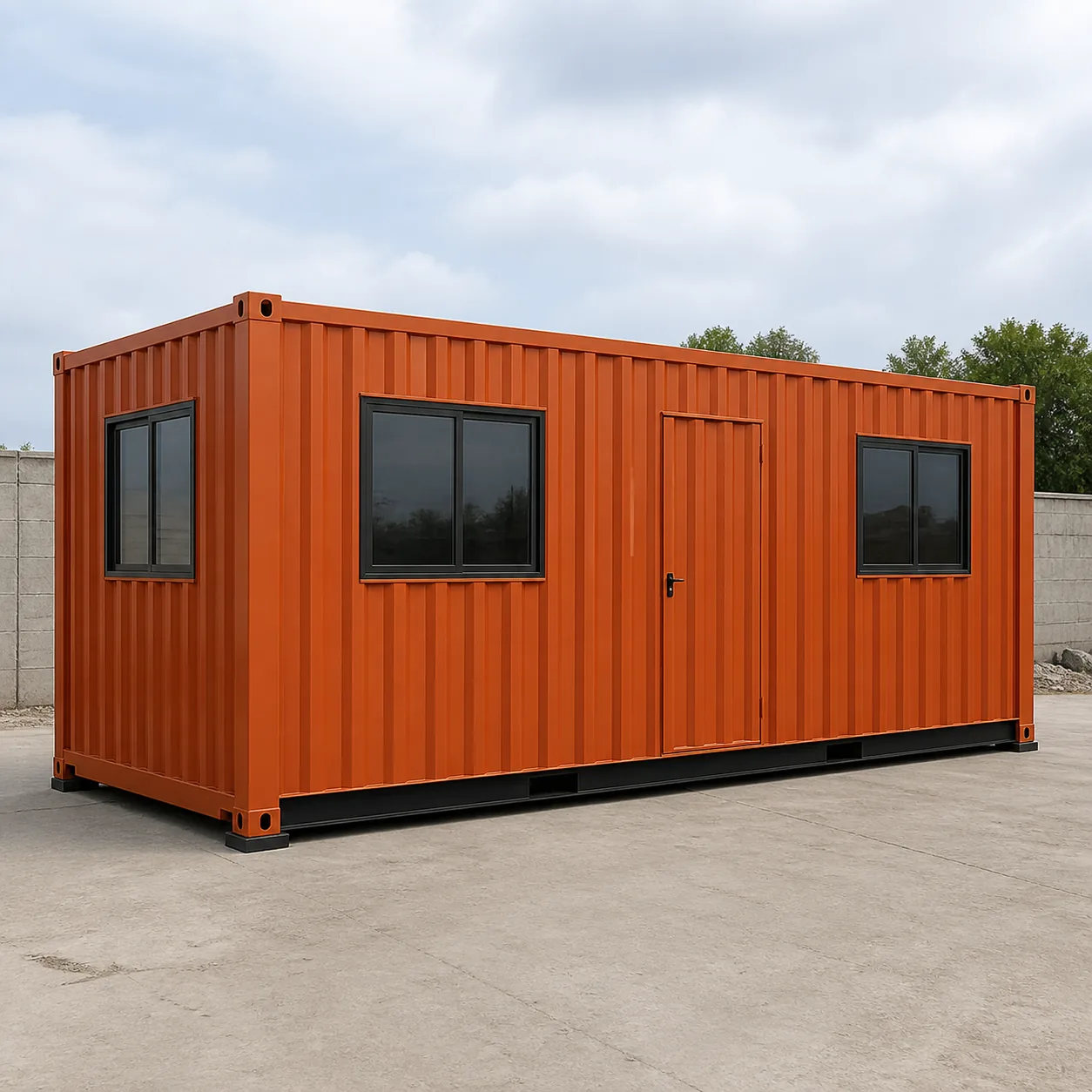
Site Office Container
A well-organised workspace is essential for managing construction projects, industrial operations, and infrastructure development. However, building a permanent office at every project location may not always be practical. A site office container offers a flexible and convenient alternative by providing a dedicated workspace that can be installed where it is needed.
Site office containers are commonly used by construction companies, contractors, engineers, project managers, and industrial businesses. They can be configured with different layouts, sizes, and facilities according to project requirements. Epper Porta offers portable cabin solutions for businesses looking for practical workspace options for commercial and industrial applications.
In this guide, we will explore the different types of site office containers, their key features, common uses, and major benefits.
What Is a Site Office Container?
A site office container is a prefabricated or modular structure designed to provide workspace at construction sites, industrial facilities, infrastructure projects, and other locations. Depending on its design, it may include doors, windows, electrical fittings, lighting, ventilation, insulation, and interior partitions.
Unlike a conventional office building, a portable site office can be manufactured before delivery and installed at the required location. Certain designs can also be relocated when a project is completed, subject to transportation, lifting, and site conditions.
Businesses can select a suitable container based on the number of employees, available space, expected duration of use, and required facilities. These structures can serve as temporary project offices or support longer-term operational needs when designed and installed appropriately.
Types of Site Office Containers
Different projects require different workspace arrangements. Understanding the available types can help businesses select a suitable solution.
1. Standard Site Office Container
A standard site office container provides basic workspace for supervisors, engineers, administrative staff, and project managers. It can be equipped with windows, doors, lighting, electrical points, and other essential office facilities.
This option is suitable for construction sites, small industrial projects, and locations that require a dedicated administrative area without a complex interior layout.
2. Portable Site Office Container
A portable site office container is designed for projects that may require a workspace to be moved between locations. It can be useful for contractors and infrastructure companies working across multiple sites.
Before selecting this type, businesses should confirm its dimensions, structural design, lifting arrangements, and transportation requirements to ensure that relocation is practical.
3. Customised Site Office Container
A customised site office container is designed according to specific business requirements. Customisation may include internal partitions, additional windows, electrical fittings, air-conditioning provisions, storage areas, and specialised layouts.
This type is useful for businesses that need a particular arrangement for meetings, staff administration, project documentation, or daily operational activities.
4. Large Site Office Container
Larger site office containers can provide additional workspace for bigger teams or projects requiring multiple work areas. Depending on the design, the space may accommodate workstations, meeting areas, document storage, and separate administrative sections.
Businesses should evaluate the available floor area and planned furniture layout before choosing a larger unit.
5. Insulated Site Office Container
An insulated site office container includes insulation designed to help manage indoor temperatures and improve working comfort. The appropriate insulation depends on the local climate, expected occupancy, ventilation, and whether cooling or heating equipment will be used.
This option can be useful at outdoor construction sites and industrial locations where employees need to work throughout the day.
Key Features of a Site Office Container
When selecting a site office container, businesses should consider the features that support everyday work and provide suitable protection for the intended environment.
Durable construction: The framework, wall panels, roofing, and flooring should be appropriate for the expected use and site conditions.
Functional interior layout: The cabin should provide sufficient space for desks, chairs, equipment, and storage according to the number of occupants.
Ventilation and lighting: Proper ventilation, windows, and suitable lighting can help create a more comfortable working environment.
Electrical provisions: Electrical points and wiring should be planned according to the required equipment and applicable safety standards.
Weather protection: Roofing, joints, doors, and windows should be designed to provide suitable protection against rain, wind, and other expected environmental conditions.
Customisation options: Depending on the supplier's capabilities, businesses may be able to select different layouts, insulation systems, partitions, and additional facilities.
Before ordering, ask the supplier to confirm which features are included in the quoted specifications and which require additional charges.
Common Uses of Site Office Containers
Site office containers are suitable for a wide range of commercial and industrial applications.
Construction and Infrastructure Projects
Construction companies use site office containers to provide workspace for project managers, engineers, contractors, and supervisors. These offices can support meetings, documentation, scheduling, and coordination between teams.
They are also useful for road construction, bridge development, and other infrastructure projects where a workspace is needed close to the work area.
Industrial Facilities and Factories
Factories and industrial facilities may use containers for administrative work, maintenance coordination, project supervision, or temporary offices during expansion and renovation.
Their suitability depends on the available site space, operational requirements, and relevant safety considerations.
Warehouses and Logistics Centres
Warehouses and logistics facilities may require separate offices for inventory coordination, dispatch management, security administration, and workforce supervision. A site office container can provide a dedicated area for these activities.
Remote Project Locations
Infrastructure, energy, and engineering projects may take place in locations where permanent office construction is inconvenient. A suitable portable office container can provide workspace near the project site, subject to access and installation requirements.
Temporary Business Operations
Businesses carrying out renovations, facility upgrades, or temporary projects may use site office containers when their existing office space is unavailable or insufficient.
Benefits of Using a Site Office Container
Choosing an appropriate site office container can offer several practical advantages.
1. Flexible Workspace Solutions
A site office container can provide workspace at different project locations without requiring a conventional office building for every project. Some designs can also be relocated for reuse.
2. Efficient Project Planning
Having a dedicated office near the work area allows project teams to coordinate schedules, conduct meetings, maintain records, and communicate more efficiently.
3. Configurable Designs
Businesses can select suitable dimensions and interior arrangements according to their team size, equipment, and operational requirements. Customisation can help make better use of the available space.
4. Potential Time Savings
Because prefabricated components can be prepared before delivery, some site office solutions can be installed more quickly than conventional on-site construction. Actual timelines depend on manufacturing, transport, site preparation, and installation requirements.
5. Practical Space Utilisation
Different container sizes allow businesses to choose a workspace that fits their available site area and operational needs. This can be particularly useful where space is limited or project layouts change frequently.
6. Reuse Across Projects
A properly designed and maintained portable site office container may be reused at different locations. Businesses should confirm that the unit is suitable for relocation and account for transportation, lifting, and reinstallation costs.
How to Choose the Right Site Office Container
Selecting the right container requires more than comparing prices. Businesses should evaluate the following factors before placing an order:
- Project requirements: Identify the intended use, number of occupants, and expected duration of use.
- Size and layout: Check the usable floor area and ensure sufficient room for furniture and equipment.
- Material quality: Review the framework, roofing, wall panels, flooring, and corrosion protection.
- Insulation and ventilation: Select specifications suitable for the local climate and working conditions.
- Customisation: Confirm the availability of electrical fittings, partitions, windows, and other required features.
- Delivery and installation: Discuss transportation access, lifting arrangements, foundation or base preparation, and installation responsibilities.
- Pricing and warranty: Request an itemised quotation and clarify payment terms, delivery timelines, and warranty coverage.
Comparing these factors helps businesses assess whether a proposed container meets their requirements and budget.
Why Consider Epper Porta for Site Office Container Solutions?
Epper Porta is a brand to consider when exploring portable cabin solutions for construction, industrial, and commercial applications. Businesses planning a site office can discuss their workspace requirements, preferred dimensions, interior layout, and additional facilities to determine a suitable configuration.
When evaluating options from Epper Porta, buyers should confirm the available designs, material specifications, customisation possibilities, delivery arrangements, and installation requirements before making a purchase decision.
Providing accurate project details at the enquiry stage can help the supplier understand the intended application and discuss the available options more effectively.
Conclusion
A site office container provides a practical workspace solution for construction projects, industrial facilities, warehouses, infrastructure development, and temporary business operations. Different types are available to accommodate varying space requirements, team sizes, and working conditions.
By evaluating construction quality, interior layout, insulation, customisation, pricing, and delivery arrangements, businesses can select a container that meets their operational needs. For organisations exploring portable workspace solutions, Epper Porta can be considered as part of the supplier evaluation process.
Choosing the right design and confirming all specifications before ordering can help create a functional workspace that supports efficient project management.
Frequently Asked Questions
1. What is a site office container used for?
A site office container provides workspace for project managers, engineers, supervisors, contractors, and administrative staff at construction sites, industrial facilities, warehouses, and infrastructure projects.
2. What are the different types of site office containers?
Common options include standard site office containers, portable office containers, customised containers, larger office units, and insulated site office containers.
3. Can a site office container be customised?
Yes, depending on the design and supplier's capabilities, customisation may include partitions, windows, electrical fittings, insulation, air-conditioning provisions, and different interior layouts.